Soil laboratory has more important because of a variety of reasons. In agriculture, the soil tests help optimize crop production, prevent damage to plants due to nutrient deficiencies or excesses, and reduce fertilizer costs. In construction, soil testing provides the information needed to design safe and sustainable structures and prevent serious problems such as subsidence or structural collapse.
Laboratories of Soil Science and Engineering Department
The Soil Science and Engineering Department has three laboratories: Soil Chemistry and Fertility, Soil Biology and Biotechnology, and Soil Physics. All laboratories have adequate space and with appropriate facilities. The department also has a growth room, an atomic absorption spectrometer laboratory, a polarizing microscope, and a soil sample preparation room.
Important devices and facilities available in the laboratories of Soil Science and Engineering Department
Atomic absorption spectrometer, pressure plate, Kjeldahl Digester device, spectrophotometer, flame photometer, soil penetrometer, suction penetrometer, saturated soil hydraulic conductivity measuring device, hanging water column, polarizing microscope, rain simulator, nitratemeter, Buchner funnel extractor, shear vane, minus 80 degree freezer, shaker, incubator shaker, incubator, laminar hood, centrifuge, wet and dry shaker, oven, autoclave, advanced GPS device, optical microscope, microcentrifuge, heater, bain-marie, heater stirrer, stereoscope and soil sampling equipment, oven, pH meter and EC meter and numerous scales with measuring accuracy of 0.01 and 0.01/g
Important Analysis:
Important analysis in laboratories are included Measuring macronutrients and micronutrients in soil, water, and plants, such as nitrogen, phosphorus, potassium, calcium, magnesium, sulfur, etc.
Soil texture, soil and water salinity, soil and water pH, organic matter, equivalent calcium carbonate, gypsum in soil, CEC, soil bulk density, soil particle density, soil moisture, soil field capacity moisture, protein, microbial culture, microbial population, basal and promoted microbial respiration, soil carbon biomass, soil nitrogen biomass, construction of various general and specialized culture media, synthesis of some nanoparticles, measurement of soil structure stability, measurement of various moistures content with a perforator plate, water conductivity, etc.
Important devices
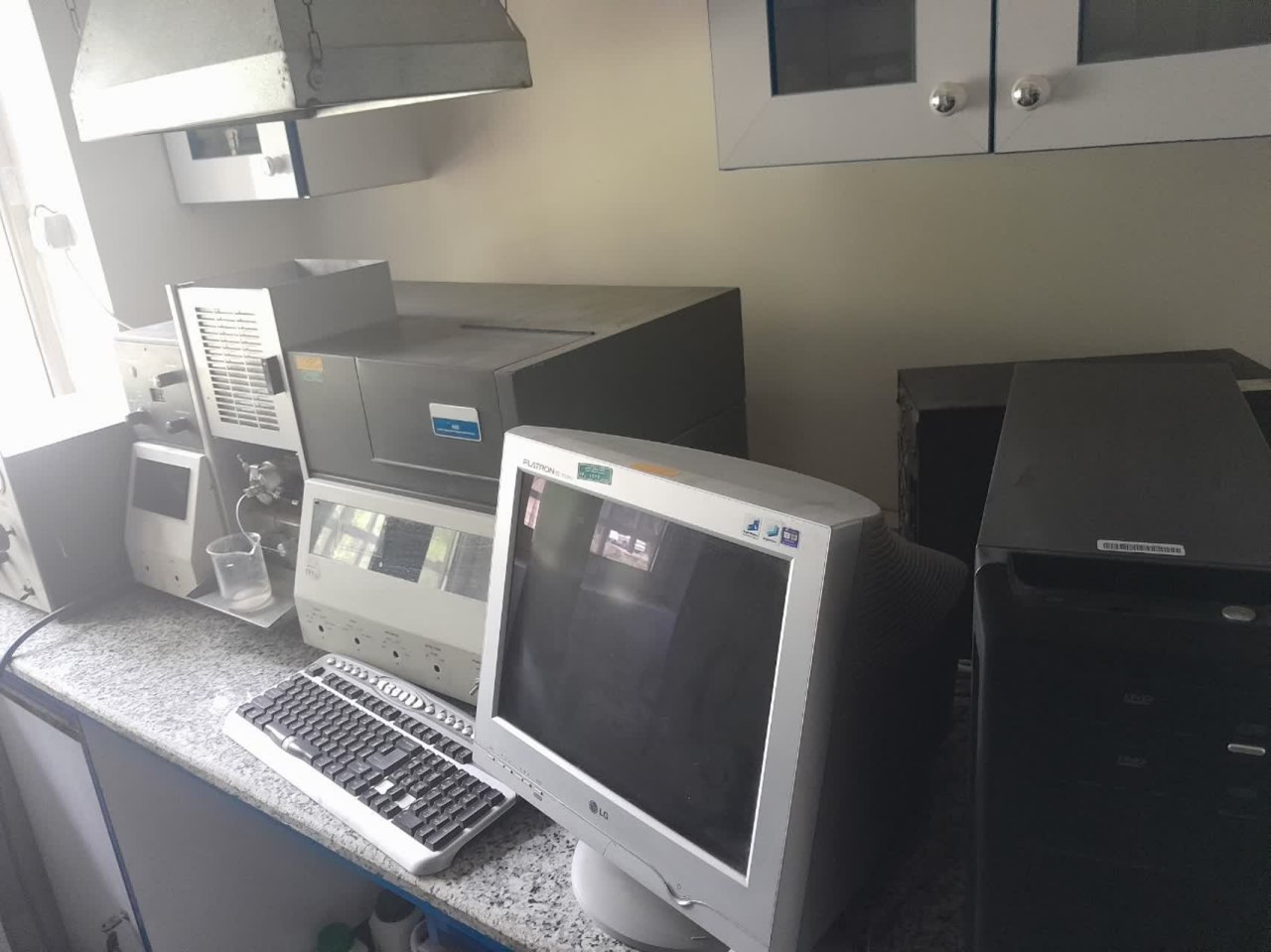
1. Atomic absorption spectrometer
Atomic absorption spectrometer is capable of measuring heavy elements such as iron, alumina, zinc, copper, cobalt, etc. in the digested extracts.
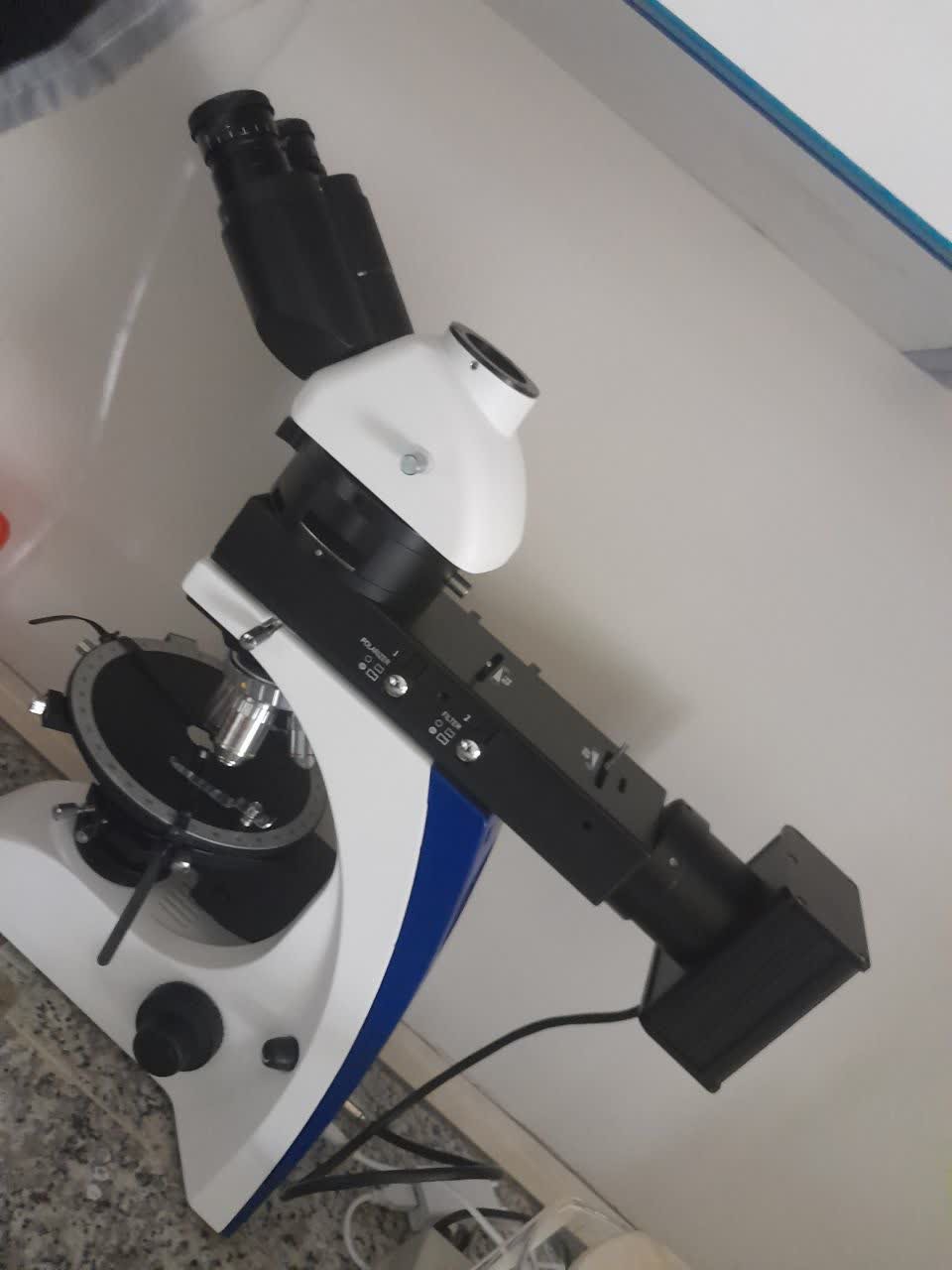
2. Polarizing microscope
A polarizing microscope is used to study thin sections of soil in both ordinary and polarized light. This microscope is a transmission-reflection type.
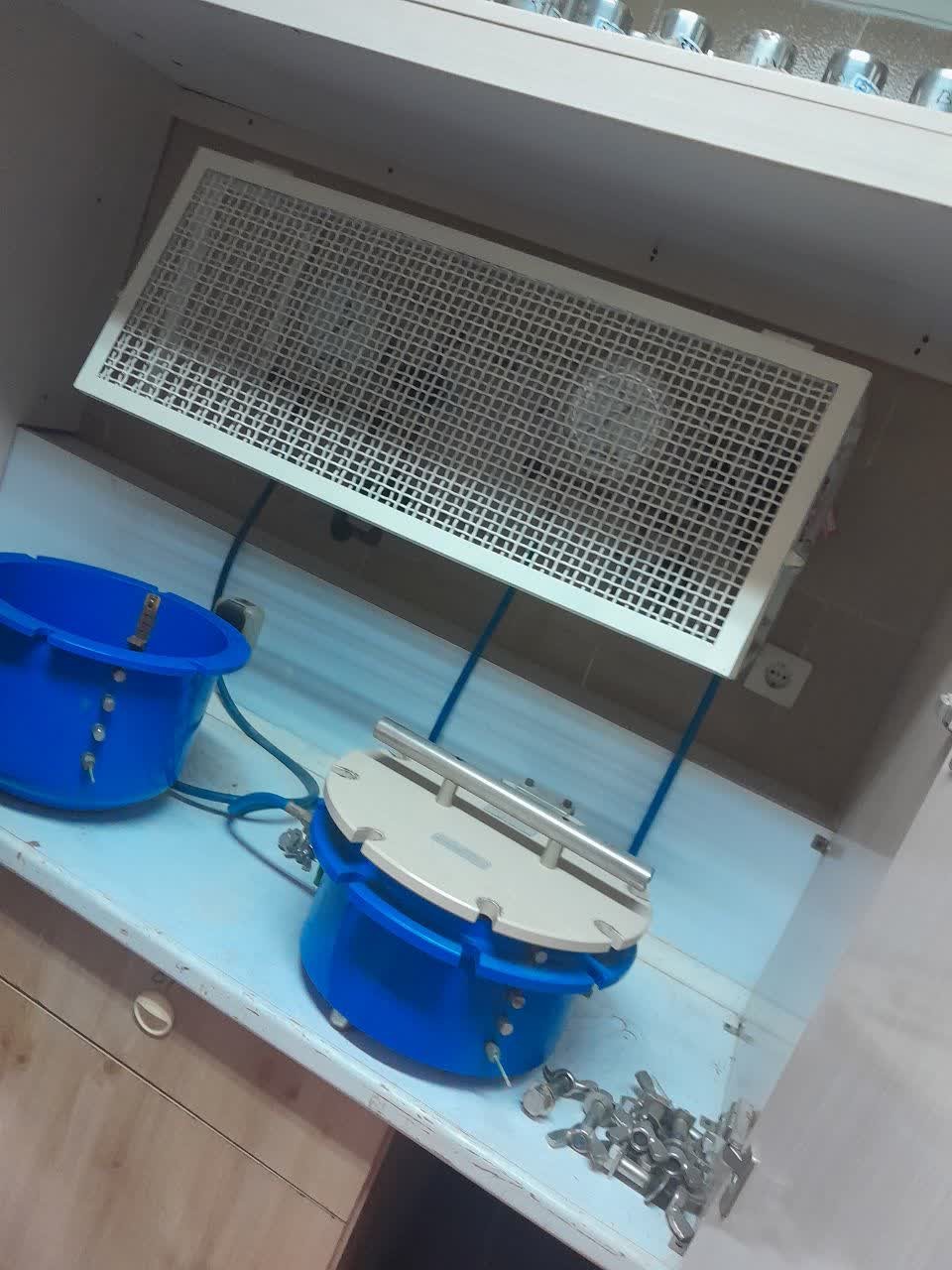
3. Pressure plate device
This device is used to measure soil moisture at different moisture coefficients.
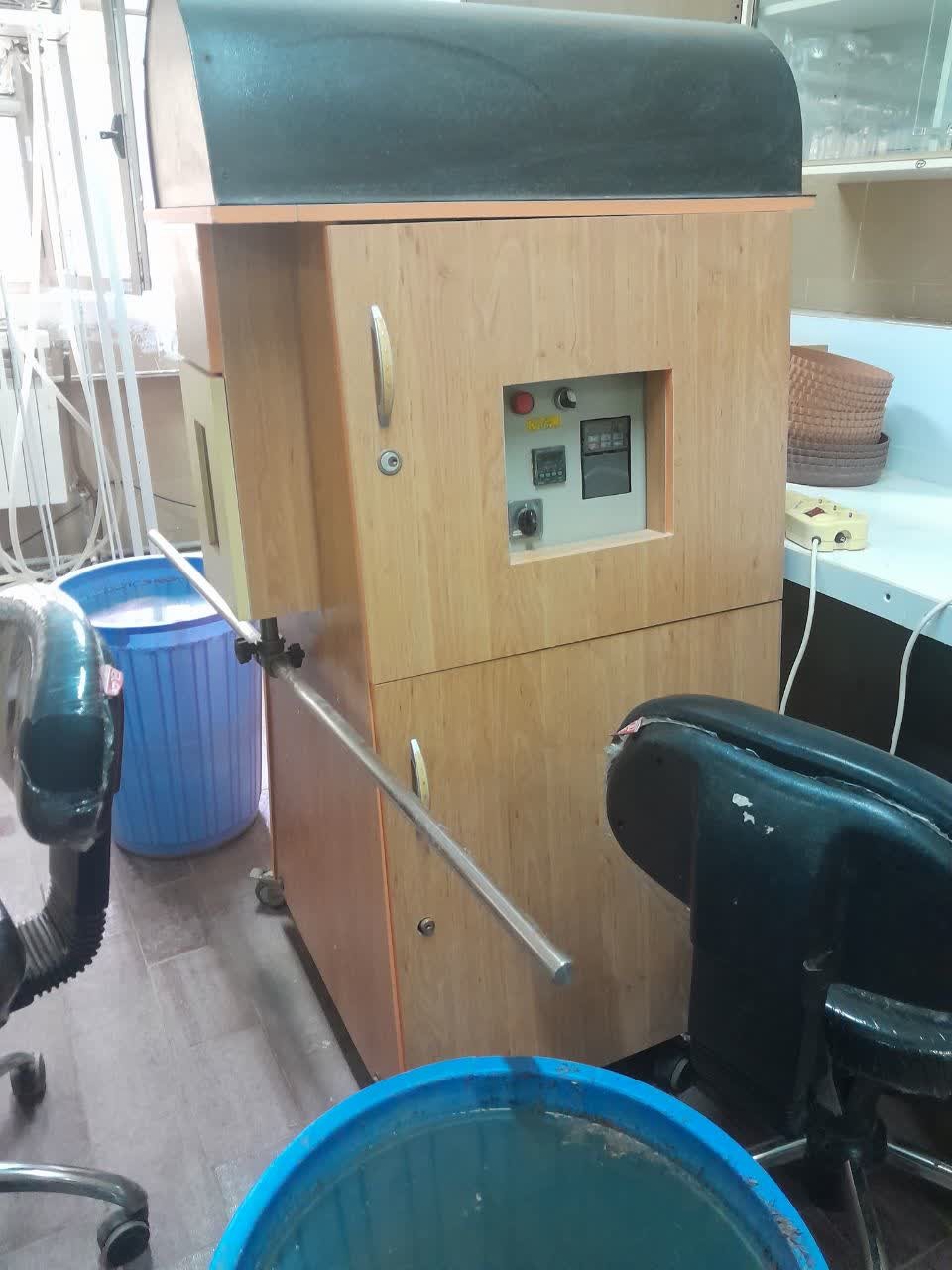
4. Wet shaker sieve machine
This machine is used to measure the stability of soil structure in the wet state.
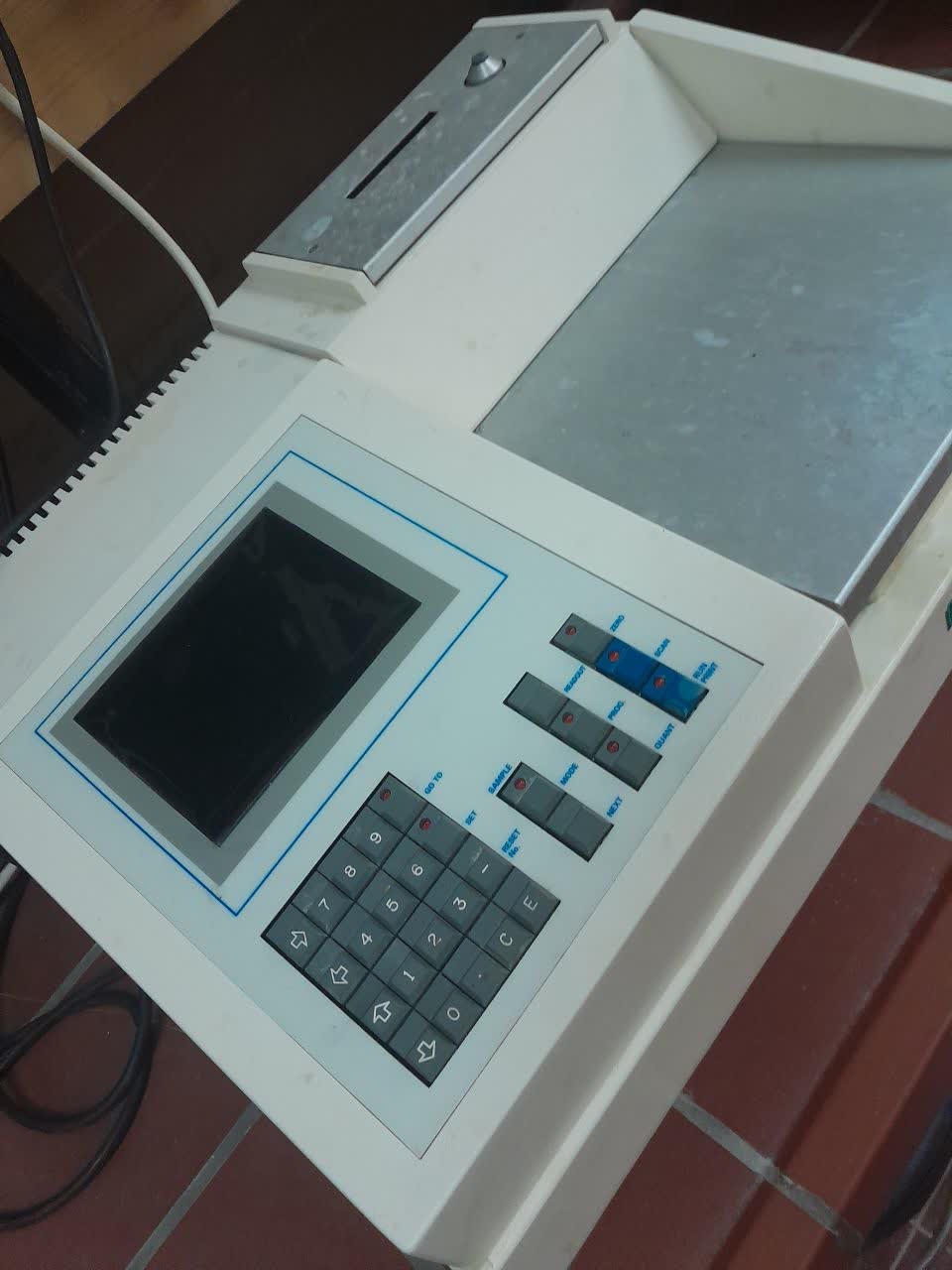
5. Spectrophotometer
All analyses performed through colorimetry can be performed by this device.
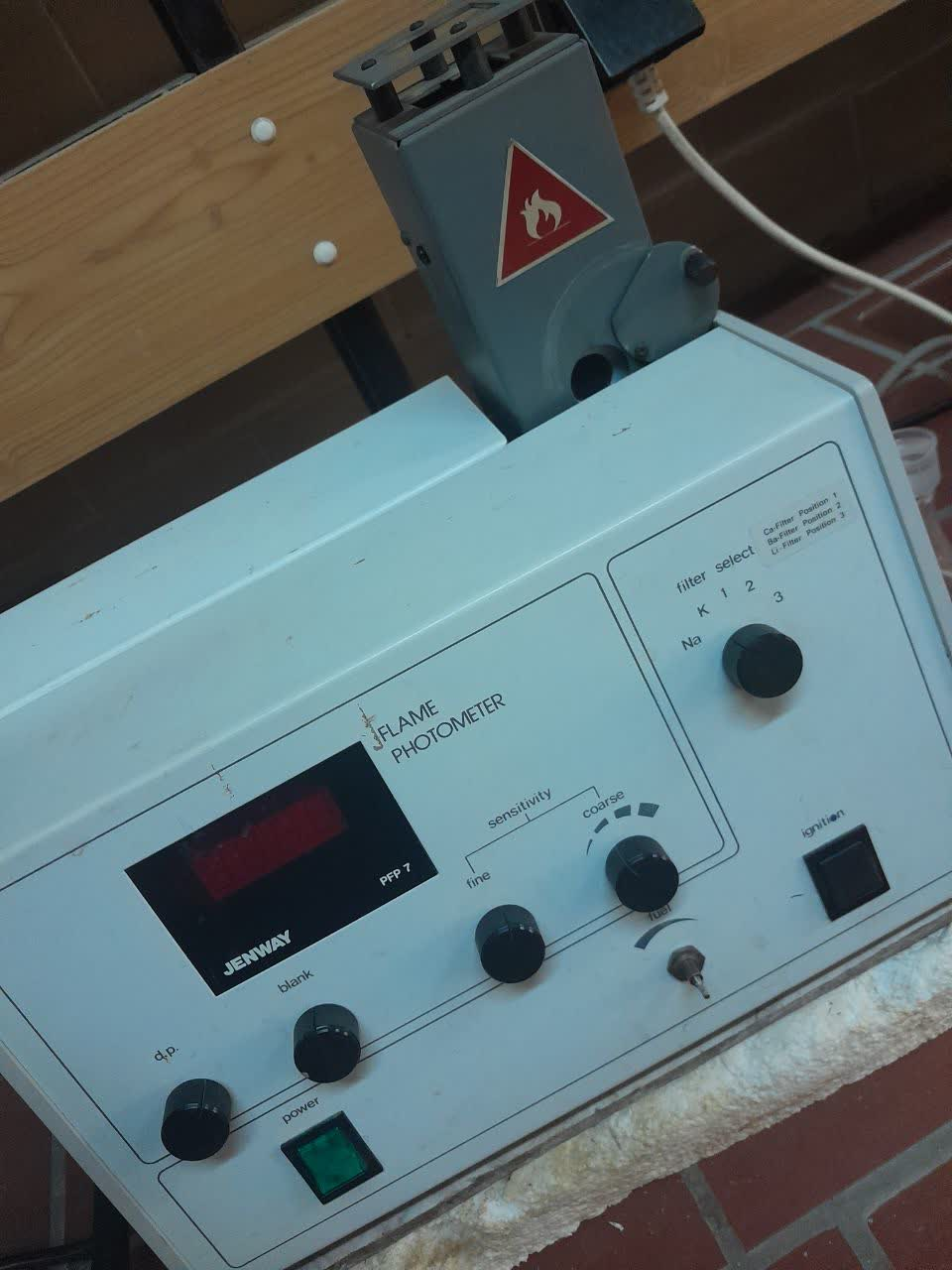
6. Flame photometer
The flame photometer is used to measure the nutritional elements sodium, potassium, calcium, and magnesium.
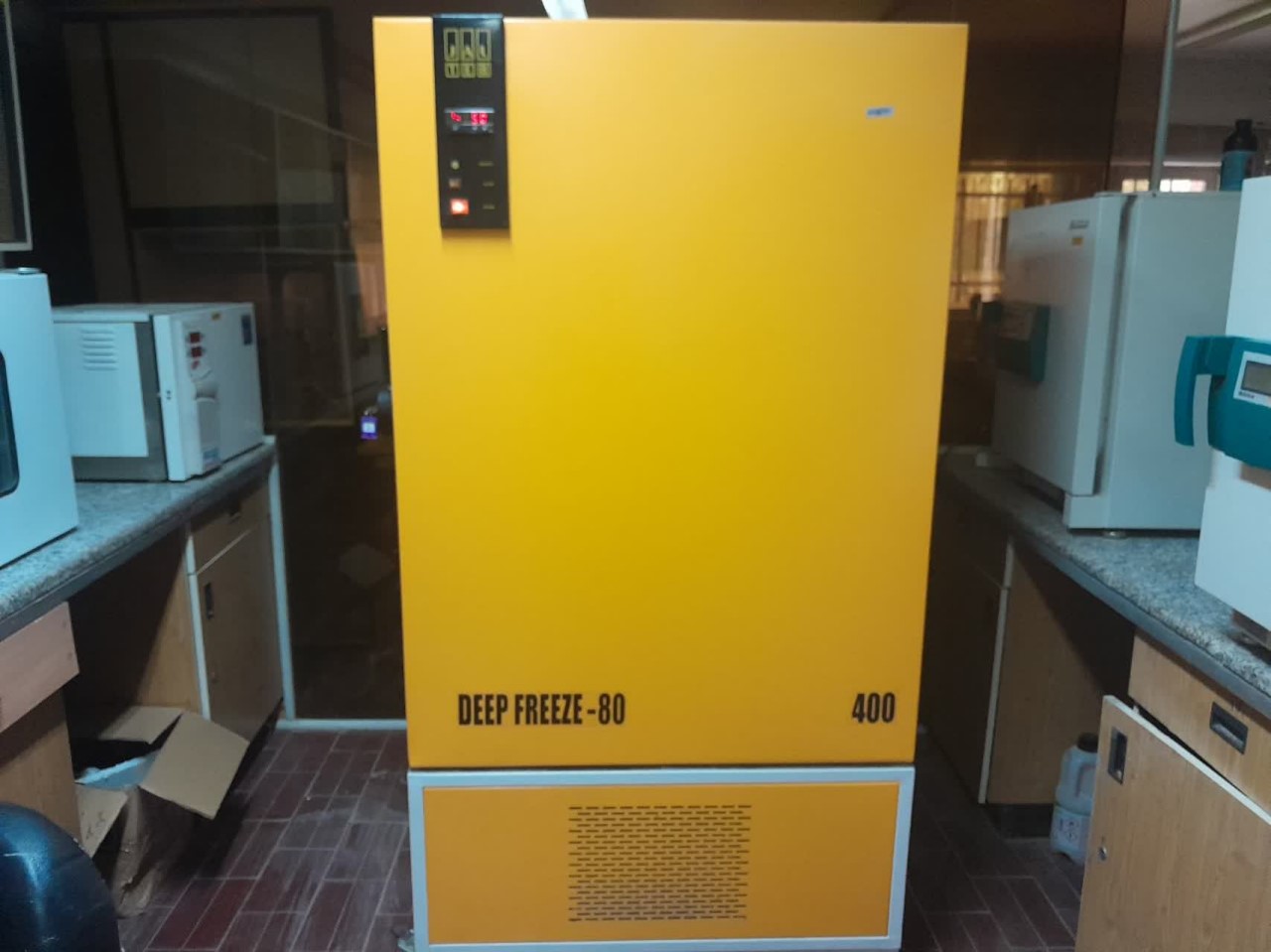
7. Negative 80 Degree Freezer
To prevent biological samples from spoiling, they must be stored in this Freezer.
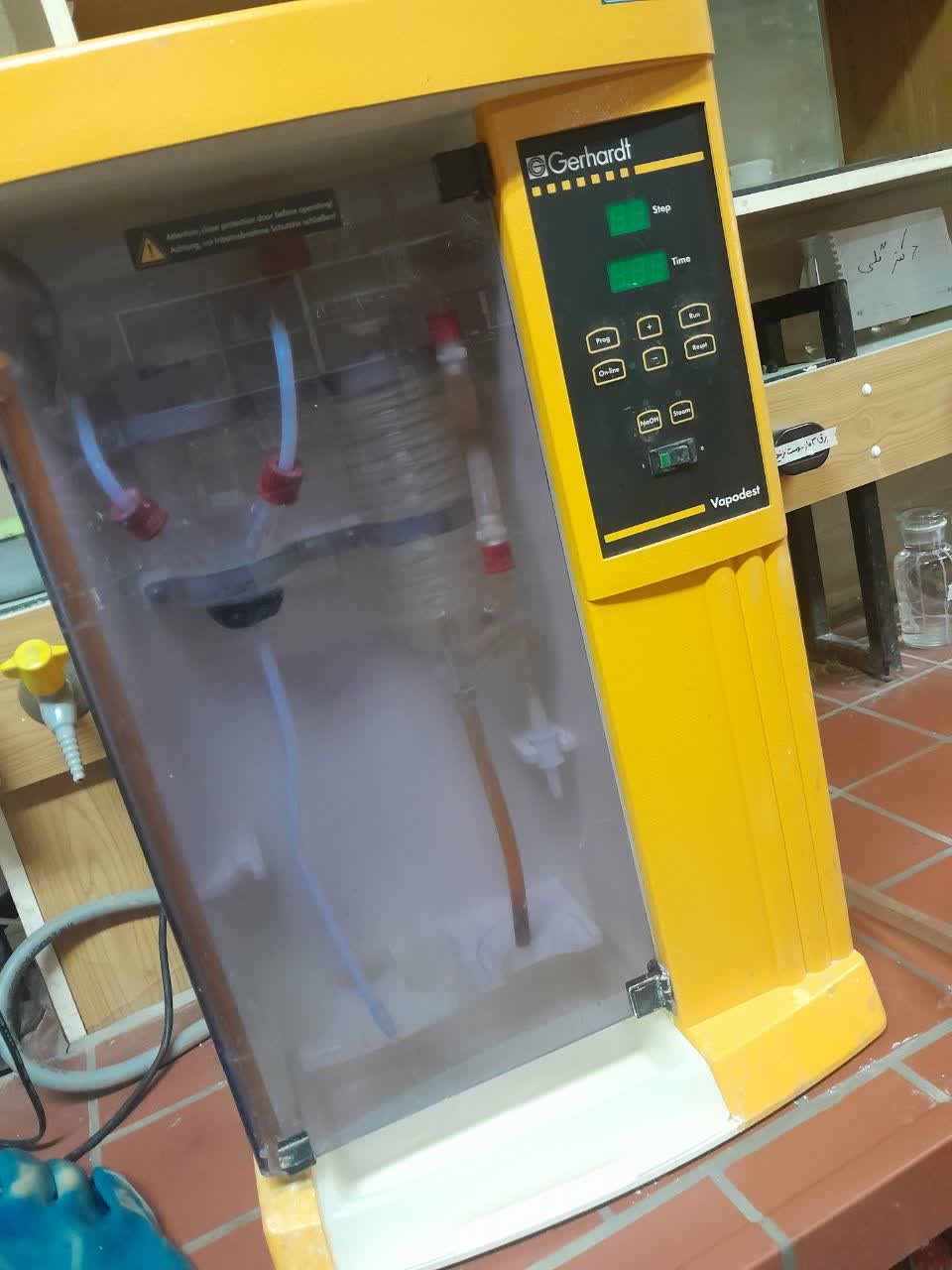
8. Kjeldahl Digestion and Distillation Apparatus
This is a widely used device for measuring nitrogen content in solid and liquid samples.