About
An Introduction to the Field of Horticultural Science
Horticultural Science is a sophisticated and multifaceted discipline that encompasses the art, science, technology, and business of cultivating plants for human use. The scope of the agricultural sector extends well beyond basic agriculture, encompassing intensive production, improvement, and utilization of fruits, vegetables, flowers, ornamental plants, and medicinal herbs. As an integrative field of study, it synthesizes principles from the disciplines of plant genetics, physiology, biochemistry, ecology, and environmental design. The goal of this synthesis is to enhance crop yield, nutritional quality, aesthetic value, and resilience. Horticulture is a fundamental component of ensuring food and nutritional security, enhancing urban ecosystem services, beautifying landscapes, and promoting economic prosperity. These professionals play a pivotal role in the development of sustainable production systems, the mitigation of the impacts of climate change on specialty crops, and the enhancement of human well-being through functional foods and restorative green spaces.
Academic Evolution and Historical Context
The Department of Horticultural Science and Landscape Engineering is a fundamental component of academic excellence within the Faculty of Agriculture at the University of Mohaghegh Ardabili. The department was established with the objective of promoting the development and application of contemporary knowledge and technologies for the production and quality enhancement of horticultural products. Over time, it has evolved into a comprehensive academic unit. The impetus for its establishment derived from the necessity to facilitate the translation of scientific advancements into practical solutions that addressed the specific challenges confronting Iran's horticultural sector. Through strategic growth, the department has systematically expanded its portfolio from foundational undergraduate studies to advanced doctoral research, in a manner that responds dynamically to national priorities in food security, urban greening, and the development of high-value plant industries.
The department has progressively introduced specialized graduate tracks, building upon a core undergraduate program. This evolution is indicative of a commitment to cultivating profound expertise in select sub-disciplines. The establishment of Master's programs in distinct specializations, including but not limited to Fruit Trees, Vegetables, Ornamental Plants, Medicinal Plants, and Greenhouse Production, marked a significant advancement. The subsequent inauguration of a Ph.D. program further solidified the department's standing as a preeminent center for advanced research and the cultivation of future faculty and research leaders in horticultural science.
Research Focus Areas and Scientific Contributions
The department fosters a vibrant and impactful research environment, characterized by applied and fundamental investigations. These investigations are aligned with both regional needs and global scientific challenges. The faculty and graduate student research is concentrated within several interconnected and priority-driven domains:
1.Plant Breeding, Genetics, and Biotechnology:
Advancing the Genetic Improvement of Horticultural Crops for Traits Such as Drought and Salinity Tolerance, Disease Resistance, Enhanced Nutritional Content, and Extended Shelf-Life Through Traditional Breeding and Modern Biotechnological Tools (e.g., Molecular Markers, Tissue Culture, and Genetic Engineering).
2.Sustainable and Precision Production Systems:
The implementation of innovative methodologies in the domains of organic horticulture, integrated pest management (IPM), soilless culture (hydroponics/aeroponics), protected cultivation (greenhouse optimization), and precision nutrient and irrigation management is undertaken with the objective of optimizing resource utilization and minimizing environmental impact.
3.Physiology and Post-Harvest Technology:
The investigation of plant growth regulators, flowering physiology, abiotic stress responses, and the biochemical pathways governing fruit ripening and quality. The development of innovative technologies and protocols for harvesting, handling, storage, processing, and packaging is imperative to achieve a substantial reduction in post-harvest losses and maintain the nutritional value of food products.
4.Landscape Ecology and Urban Horticulture:
This field of study encompasses the research, design, installation, and sustainable management of urban green spaces, green roofs, and vertical gardens. The present study will examine the role of landscape engineering in the following areas: biodiversity conservation, microclimate regulation, stormwater management, and the promotion of psychological and social well-being in urban environments.
5.The Development of Medicinal and Nutraceutical Plants:
The exploration of the cultivation, bioactive compound enhancement, and standardization of medicinal and aromatic plants is of direct relevance to the pharmaceutical, cosmetic, and functional food industries.
Departmental Infrastructure and Human Resources
The department's mission is facilitated by a dedicated team of scholars and state-of-the-art facilities. The academic staff at this institution comprises distinguished professors, associate professors, and assistant professors, all of whom possess specialized expertise in various horticultural sub-disciplines. They are supported by skilled laboratory technicians and research associates.
The operational infrastructure of the university is designed to support cutting-edge education and research.
The Specialized Research Laboratories include the following:
- Laboratories for Plant Physiology and Post-Harvest
- Laboratories for Plant Biotechnology and Tissue Culture
- Laboratories for Soil and Plant Nutrition Analysis
- Laboratories for Ornamental Plant Design
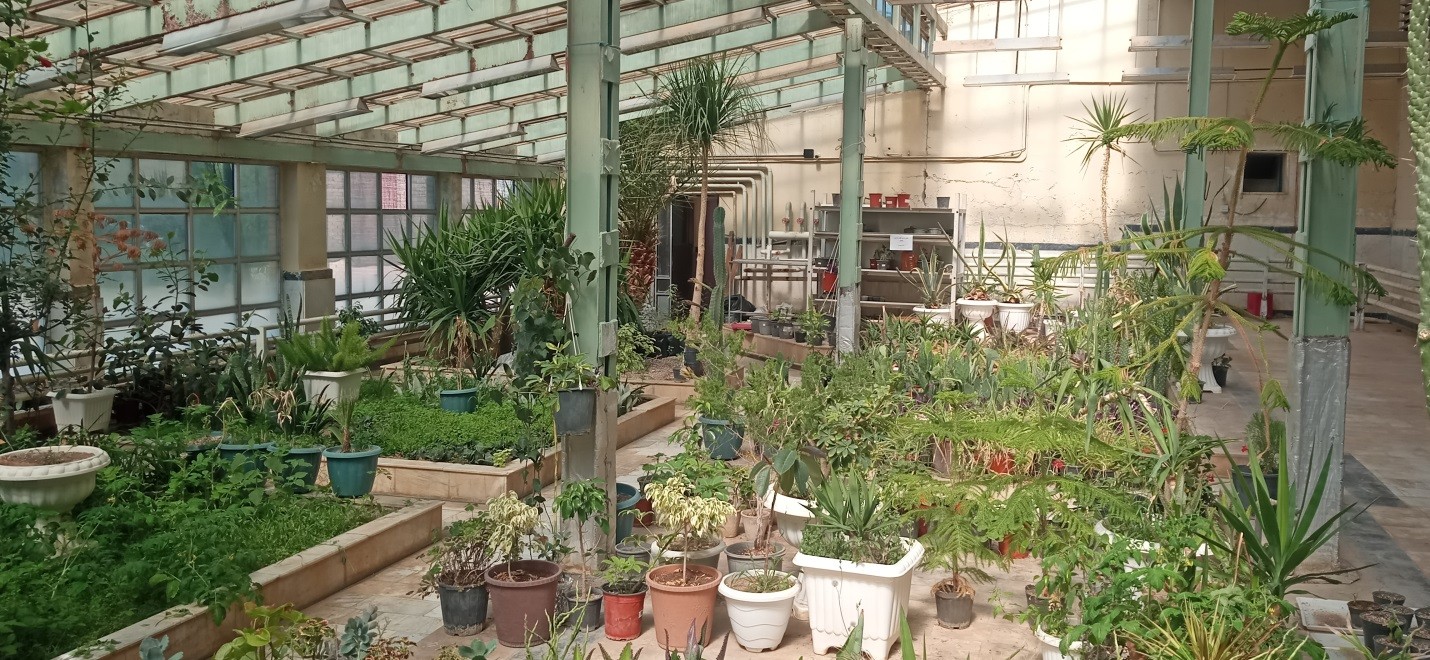
Controlled Environment Facilities: These facilities include modern research greenhouses equipped with adjustable climate controls and growth chambers that allow for precise regulation of experimental conditions.
Experimental orchards and fields are defined as on-site cultivated areas designated for the execution of field trials pertaining to fruit trees, vegetable crops, and ornamental species.
The Landscape Engineering Studio is a specialized facility that houses contemporary software and instruments pertinent to the domains of landscape design, planning, and modeling.
Active Academic Programs and Degree Offerings
1. Undergraduate Degrees:
Bachelor of Science (B.Sc.) in Horticultural Sciences
This four-year program teaches the basics of pomology (fruit science), olericulture (vegetable science), floriculture (ornamental plants), and post-harvest technology. The program combines classroom learning with hands-on experience, preparing students for jobs in commercial production, extension services, and agribusiness. It also prepares students to continue their education at the graduate level. The focus is on practices that are good for the environment and that last a long time.
Bachelor of Science (B.Sc.) in Green Space Engineering
This new program teaches engineers how to design, build, and manage green spaces in cities and the suburbs. Courses cover the principles of designing landscapes, different types of plants, how to take care of grass, how to design irrigation systems, and the ecology of cities. Graduates are prepared for jobs in municipal parks departments, landscape architecture firms, environmental consultancies, and project management in the green industry.
2. Graduate Degree (Master of Science - M.Sc.):
Our two-year M.Sc. program in Horticultural Science is a research-intensive degree designed to produce highly skilled specialists. Students complete advanced coursework and conduct a significant thesis project under faculty supervision. They specialize in one of five critical areas:
M.Sc. in Horticultural Science, Major: Fruit-Trees
M.Sc. in Horticultural Science, Major: Vegetables
M.Sc. in Horticultural Science, Major: Plants used for decoration
M.Sc. in Horticultural Science, Major: Medicinal Plants
M.Sc. in Horticultural Science, Major: Greenhouse Production
3. Doctoral Degree (Ph.D):
The Ph.D. program is the highest level of academic training. It prepares researchers to create new knowledge on their own. The program usually takes four to five years. It includes advanced classes, a qualifying exam, and writing a dissertation that is the first of its kind.
Ph.D. in Horticultural Science, Major: The way horticultural plants are produced and how they are stored after they are harvested.
Ph.D. in Horticultural Science, Major: Breeding and Biotechnology of Horticultural Plants
Graduates can get jobs as university teachers, senior researchers in national agricultural research institutes, or innovation leaders in the advanced horticultural technology sector.
Strategic Partnerships and Vision
The Department of Horticultural Science and Landscape Engineering works closely with many different groups. This includes working with the Agricultural Research, Education and Extension Organization (AREEO), provincial Jihad-e-Agriculture organizations, private nurseries, greenhouse complexes, fruit and vegetable processing industries, and landscape engineering firms. These partnerships make sure our research is useful, provide great internship and job opportunities for our students, and help move technology and knowledge directly to industry. The department's goal is to be known across the country as a top center for horticultural innovation and education. We aim to promote sustainable development, economic growth, and an improved quality of life through the power of plants.