About us
The global community is currently undergoing a daily population increase of approximately 200,000 individuals. Projections indicate that by 2030, the world's population will reach 8.5 billion, with an estimated 6.5 billion constituting active consumers. This accelerated demographic expansion, compounded by entrenched unsustainable patterns of production and consumption, has precipitated pervasive multidimensional crises. In response to these challenges, ensuring sustainable food security has emerged as a paramount imperative. This necessitates a foundational commitment to high-quality, continuous education focused on advancing sustainable agricultural practices, robust environmental stewardship, clean energy solutions, and the principles of a circular economy.
In order to confront these significant challenges and establish new frontiers for global resilience, the Faculty has integrated the fundamental principles of environmental sustainability into its educational and research mission. We proactively cultivate interdisciplinary approaches that span the domains of ecological science, socio-economic policy, and technological innovation. Moreover, the institution is dedicated to the advancement of global collaboration through the implementation of dynamic student and scholar exchange programs, joint international research initiatives focused on green technologies, and the establishment of shared academic opportunities. These concerted efforts are dedicated to pioneering sustainable solutions and fostering the cross-border knowledge exchange that is essential for navigating the complexities of the 21st century.
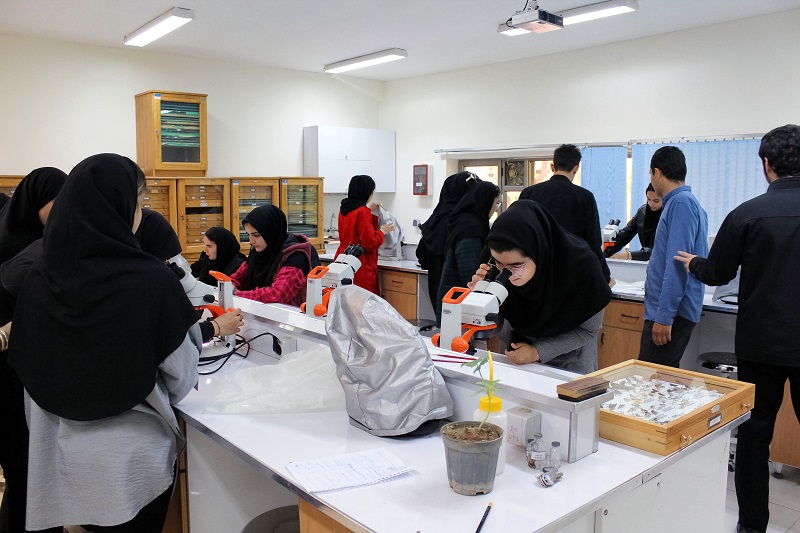
The academic mission of this institution is focused on cultivating a new generation of specialists in the fields of sustainable agriculture and natural resource management. The curricula have been meticulously developed to align with the distinct priorities and contexts inherent to national and regional contexts.
To this end, we actively organize and host national and international conferences to foster interdisciplinary dialogue and disseminate cutting-edge insights. These forums are dedicated to sustainable agriculture and environmental conservation, serving as vital platforms for knowledge exchange, collaboration, and the global advancement of the field.